
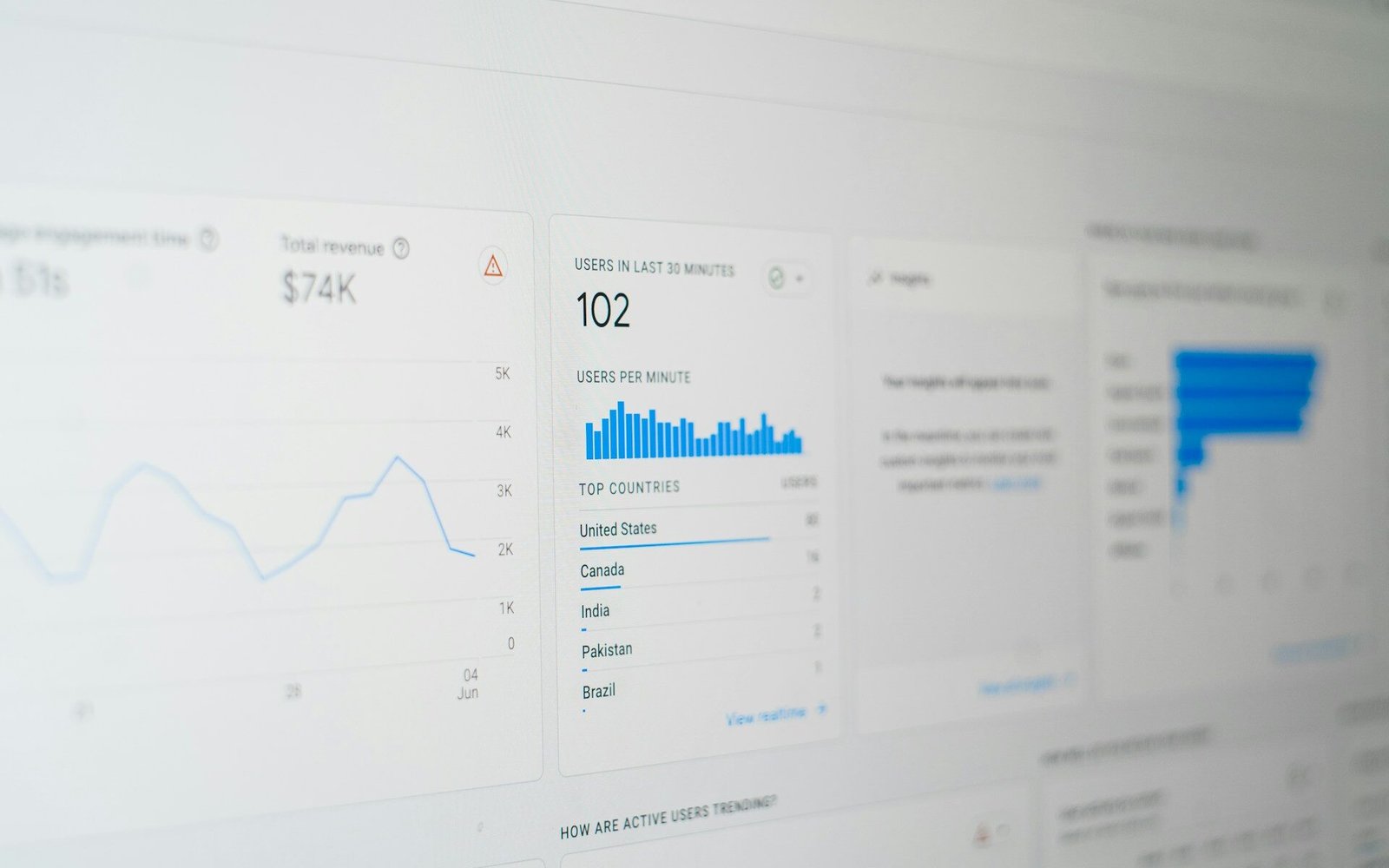
Off-Page Strategies and Why They Are Important for Businesses to Flourish

Off-page SEO

Businesses striving to establish a robust online presence are quick to implement Search Engine Optimisation (SEO) solutions. It helps significantly improve the quantity and quality of website traffic from a search engine to a web page. While on-page SEO focuses on optimising individual web pages, off-page SEO plays a key role in increasing a website’s authority and visibility as well. For businesses to hold a commanding presence online, they need to venture beyond the boundaries of their website and make a better impact across the vast internet domain. Businesses first need to better understand the concept of off-page SEO along with its benefits and key strategies it has to offer.

Off-Page SEO Matters

Off-page optimisation is used to help search engines better understand what users think about their website, products, and services. It is a method that involves conducting activities on other websites like content marketing, social media marketing, and link building, to name a few. These processes act as external signals that search engines use to gauge a company’s authority and trustworthiness. These two factors, authority and trustworthiness, greatly influence the search rankings. Some of the external signals that help establish this include brand mentions, positive reviews, social media engagements, and quality backlinks.

The concept behind off-site SEO is that the chances of the search engine viewing the website as authoritative are higher if other websites endorse and reference the content. Search engines greatly value these endorsements and use them as a parameter in SEO ranking. It follows a simple formula: the better the quality of the backlinks, the higher the website rankings in the results.

Off-page SEO also involves efficiently monitoring and managing the brand’s online reputation. By responding to brand mentions, customer reviews, and feedback, businesses can organically increase their brand visibility and credibility among search engines and users.

Another method to increase website visibility and significantly improve the website’s authority is by leveraging social media marketing. This technique helps better engage and interact with customers, leading to more website visits, longer sessions, and even higher conversion rates.

The Advantages of Adopting Off-Page SEO Practices

The benefits of using off-page SEO practices go beyond mere website rankings. Developing a strong off-page strategy enhances a web page’s online authority, credibility, and trustworthiness. In essence, it helps enhance the website’s visibility to a broader audience by increasing its digital footprint. All in all, this practice leads to increased search engine rankings, better brand visibility, and an enhanced flow of organic traffic.

Mapping Out the Essential SEO Strategies

Having explored the benefits of off-site SEO optimisation, the next step is to delve deeper into understanding some of the effective off-page SEO techniques that can be used to achieve this.

Link Building

Link building is one of the pivotal techniques used in website ranking. Businesses need to create a robust link-building strategy. They can achieve this by obtaining good-quality backlinks from high-domain and authoritative sites.

Social Media Engagement

Businesses must actively engage with their target audience using a myriad of social media platforms. The trick is to effectively use social media as a medium to boost content, strengthen brand awareness, and captivate a larger audience.

Influencer Marketing Technique

Collaborating with a range of relevant influencers and industry-specific key leaders is another great approach to helping increase the brand’s reach and credibility.

Online Brand Mentions

Businesses need to monitor and cultivate positive mentions of their brand across the web. This helps reinforce their online reputation. The mentions can be on a social media post, a blog, a review, or even on an online forum. These organic mentions lead to brand visibility and growth. Additionally, it is important to remember the platform the brands are mentioned on. A mention in an industry-specific blog or well-renowned publication carries more weight than a small reference made in an unsubstantiated online forum.

Content Marketing

Create organic, relatable, and shareable content that commands social media attention and attracts backlinks. Know more about Digitally Scrambled’s content marketing services in Goa.

In the multifaceted domain of SEO, understanding and successfully implementing effective off-site techniques are indispensable for businesses aiming to thrive in today’s ever-evolving digital landscape.
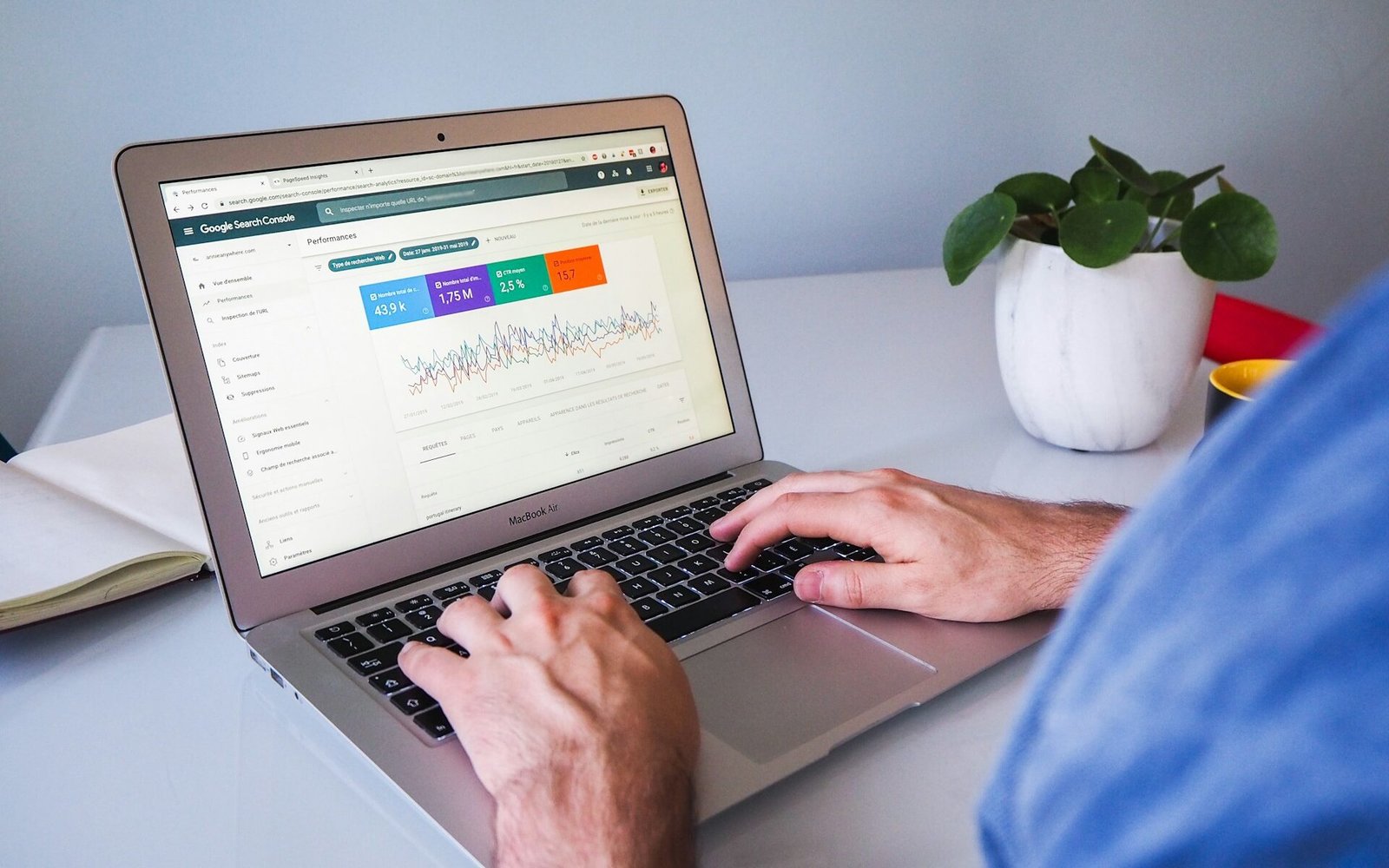

What Is Off-Page SEO and Why Does It Matter?

Off-page SEO 1

Search engine optimisation (SEO) and keywords have become crucial tools for businesses looking to improve their online visibility. While on-page optimisation is important, off-page optimisation is equally essential for building a website’s authority and credibility. This involves creating backlinks to the website from other sites to enhance its visibility and search engine ranking. However, the process of off-page optimization can be complex and requires expertise to develop a network of high-quality backlinks from reputable sites. In this context, it is important to understand the significance of off-page optimisation and its role in a comprehensive SEO strategy.

What is Off-Page SEO?

Several key factors can increase the traffic to your website and help improve its ranking on search engine results pages. Off-page SEO is a technique that involves optimising a website’s visibility on search engines through activities that occur outside of the website. These activities can include link building, social media optimisation, and content marketing.

Search engines take into account many factors when determining a page’s ranking. For example, if you post blogs on your website and successfully interlink them, this can help improve your website’s ranking on search engines, resulting in more organic traffic and potential customers. The same goes for off-page blogs that are interlinked to your website. An off-page SEO strategy is an integral part of any successful digital marketing campaign. Link building is an effective off-page SEO strategy and is a major ranking factor on search engines like Google. Google’s algorithm, PageRank, considers a page’s backlinks for both quantity and quality. Therefore, a successful off-page strategy complements on-page SEO efforts and adds credibility, trustworthiness, and authority to your website’s domain.

How Does It Work?

One of the ways to generate traffic for a website is by implementing effective strategies and actions. On-page SEO involves optimising elements on your site, such as content and meta tags. On the other hand, Off-page SEO involves activities that take place outside of your website.

Link Building

When other web pages link to your website, search engines view it as a vote of confidence and consider your content to be unique and valuable. Link building is a representation of quality and authority, and it has a greater impact than having numerous low-quality links.

Social Media

Having a strong presence on social media not only helps you expand your audience but also plays a vital role in Off-page SEO. When your content is shared and saved on different platforms such as Facebook, Instagram, or LinkedIn, it shows that it is relevant and popular. Search engines consider this as proof of your website’s authority and rank it higher in search results. Learn more about our social media marketing services in Goa.

Brand Mentions

When your website is mentioned on social media or other web pages, search engines view it as a sign of credibility. This can include blog posts, online reviews, or other types of mentions. It can improve your overall ranking and increase your visibility online.

What Is the Importance of Off-Page SEO?

To enhance your website’s visibility on search engine rankings, it’s vital to attract relevant traffic and encourage authoritative sites to link back to your brand’s website. This not only optimises your website’s ranking but also enhances your brand’s reputation and credibility. Moreover, having more inbound links from reputable sources can create more opportunities for conversions, thereby augmenting the likelihood of turning visitors into customers.

The internet is a highly competitive space, with a plethora of websites competing for top rankings. Language processing and machine learning algorithms are used by search engines like Google to determine the best results based on what a user is searching for, such as “best digital marketing agencies in Goa.” The higher a website ranks, the greater the likelihood of it being clicked on. Therefore, having high-quality inbound links from authoritative sources can be an effective strategy to improve visibility and surpass the competition.

Off-page SEO is an essential element that plays a significant role in deciding the position of your website in search engine results. The more authoritative and trustworthy your website appears to be, the higher it is likely to rank. A robust off-page SEO strategy helps establish your website as an authority and a reliable source of information, which not only attracts more visitors but also builds long-term credibility with both users and search engines. Off-page SEO extends your website’s online visibility beyond its digital boundaries. It helps you reach a broader audience and increase organic traffic to your site by using techniques like link-building, social media signals, and mentions.

Off-page SEO is a vital aspect of digital marketing that can positively impact user trust and website authority. By strategically building links, leveraging social media, and cultivating online mentions, you can not only boost your search engine rankings but also establish your website as a trustworthy and authoritative resource. Remember to focus on quality rather than quantity when it comes to building links, and always aim to provide relevant and impactful content for your users.

How to Manage and Optimise Local Listings for SEO

Local Listings

With the digitisation wave taking over, businesses have begun increasingly adopting technologically advanced solutions to better understand customers and encourage in-store footfalls. A successful digital strategy involves the seamless management and optimisation of local listings. One such key strategy is using SEO to increase a business’s online visibility. Any business that possesses a brick-and-mortar location or represents a geographic area can benefit from using local SEO. These local listings are a business’s online profile, encompassing essential details like name, contact details, address, operational hours, and so on. These details are displayed on search engine results and directory websites. Businesses need to maintain the accuracy and consistency of their information. This helps customers obtain relevant information using search engines like Google that will populate the data.

Creating a Google Business Profile (GBP) also called Google My Business (GMB) is easy to create and use while also being free of charge. With a verified GBP, the business will appear in the Google Map Pack or Google Local Map Pack search results. Upon conducting a local Google search, it places the business in a prominent position. Here, the business will be listed, and the map will display the location marked with an icon.

In addition to Google, there are a myriad of other location-based listing platforms available, like Justdial, IndiaMart, and Zomato, to name a few. Depending on their popularity, location-based platforms help increase visibility and influence consumer decisions.

Effectively Optimising and Managing Local Listings

Simply put, local listings act as a digital front for the business. However, setting up a GBP for an organisation is just the first step to carving a niche in the digital space. It also involves ensuring information accuracy, updating information, and engaging with reviews. As customers leave reviews, engagement with those reviews can positively impact local search rankings. In addition to boosting a business’s credibility, positive reviews also play an important role in increasing visibility in search engine results. Google also accumulates and combines reviews from third-party sources and consumer diaries. Businesses must engage on other relevant platforms as well in order to increase and maintain ranking.

As users continue to interact with the search result and engage with the customer reviews, they learn more about the organisation they intend to conduct business with. It helps users access external social profiles as well. The results displayed are an amalgamation of content that is user-generated, Google-powered, and business-provided.

Use Engaging Visuals

Organisations also need to add photos and in-store products in tandem with inputting the organisation’s basic information in a local listing and the continual updation of this listing. Visuals are a key component that helps organisations tell their brand story as well as help consumers better understand their offerings. It helps consumers make better-informed decisions before making a purchase. Images associated with each item can help grow user engagement. Interaction with the particular listing boosted by an image can lead to consumers investing in the brand over other competitors in the market.

Businesses can also highlight certain products of choice available in the store. These products can be on promotion, a novelty in the market, or popular.

These efforts and basic information form the foundation for local SEO strategies. The next step that is extremely crucial to putting the business on the map and dominating local searches is directing efforts towards the website and boosting its overall online presence. Make sure to use local keywords and content to strengthen local SEO. Conduct keyword research to pinpoint valuable local keywords. Use this information to formulate localised blog content and landing pages to cater to the target audience.

Implementing Local Business Schema Markup

Local business schema is a type of structured data markup code and a significant ranking factor. This code, when added to the website, helps search engines identify the type of organisation and its offerings. The site should be regularly updated to check for any more schema opportunities. Businesses with outlets should create a separate page for each location. This helps optimise local search visibility. Implement local keywords in the website content and meta tags as well. Incorporate Google Maps into the strategy for better search engine recognition and user experience.

As the digital marketing landscape continually evolves, a robust, local SEO strategy is imperative to maintain a leadership position in the industry. Build a strong base of lasting connections with the local community by embracing the power of local SEO.

How To Get Reviews For Local SEO

how to get local reviews for business

Having a strong online presence in the local community is a key factor in achieving business success. Local SEO is crucial for any business that wants to rank higher in search engine results. One of the best ways to get reviews is by developing a strategy that encourages customers to leave feedback. Moreover, it is important for businesses to respond to customer reviews in a timely manner. A successful way to have regular and potential customer interaction is to have a complete and accurate Google Business Profile. With a Google Business Profile, you can generate user interactions, such as ratings and reviews from active customers, which is a crucial part of any local SEO strategy.

Whenever you need to search for something, like a resort or salon, the first thing to look for is its authenticity through reviews and ratings. Reviews play an integral role in any business, establishing its authenticity and reliability. With the advancement of technology and the progressive digital age, online reviews play a huge role in the decision-making process for any consumer. Hence, it is important to get great reviews and reviews of any kind. In the case of a business, not just positive but negative reviews also play a huge role, as they make your brand visible and credible. Let’s explore how, as a business, you can get reviews for local SEO.

Why are Reviews Important?

Nowadays, having a strong online presence is a crucial aspect of running a successful business, unlike 20 years ago. Effective SEO strategies are the key drivers behind the surge in organic traffic and the rapid growth of new businesses. For local businesses to establish trust and credibility with potential customers, positive reviews are essential. They also help businesses rank higher in local search results since search engines prioritize businesses with good reviews. Online reviews are crucial for local SEO. Positive reviews improve search engine rankings, online visibility, trust, credibility, click-through rates, and sales. Reviews validate the quality of your business and provide valuable information to search engines. To leverage reviews for local SEO, optimize your online presence and focus on review acquisition and management.

In this fast-paced digital age, there are some disadvantages that come with the high competition as brands may become lost among a long list of similar businesses. However, one way for a brand to stand out from its competitors is through customer reviews. Reviews are a free and effective way to increase recognition for your brand. They also demonstrate your business’s reputation and level of dedication to customer service. It’s not just positive reviews that matter for a business, negative reviews also provide an opportunity for them to demonstrate their customer service skills and how they handle difficult customers. Customers understand that sometimes things may not go as planned, but the way a business deals with disappointed customers shows their patience, dedication, and ability to handle criticism.

How to Get Reviews?

It’s important to strike the right balance between requesting reviews and overwhelming customers with requests. Now the main question here is how can you get reviews for Local SEO.

Known Sources

A great way to source reviews is from your known people who have tried and tested your brand. It could be people you know, long-term clients, regular customers, colleagues, business partners, silent partners, or just someone you know from work. The only major thing you might have to do here is ask for the reviews in any way you are comfortable with as this solely depends on your relationship with them and what kind of strategy you like to follow for asking for reviews. Make sure to be polite and courteous when you ask for reviews. Additionally, offer an incentive or reward for leaving a positive review as they are taking out their time. Finally, make sure to follow up and thank them for their review.

The most important thing to keep in mind is that Google does not allow non-customers to leave reviews in order to eliminate spammers and profit-based companies that are creating fake pages to grow their business so here your customers and clients will make a huge impact. Meanwhile, Facebook does not limit reviews from non-customers, so your colleagues and personal contacts can contribute to brand reviews but don’t ask them to lie, because authenticity is an important brand principle and the foundation. Ask the reviewer to elaborate on your integrity, professionalism, and brand experience.

Reaching Out

One of the most effective ways to get reviews for your website, brand, or business is to reach out to people you already know. You can do this by calling, texting or emailing them. When asking for reviews, it’s important to thank your customers first and make the request politely as a favour. You can also create Google Forms to get more detailed and specific feedback and send them via email, text, or social media platforms such as Instagram and Facebook.

Be Indirect

Encouraging people to leave reviews without explicitly asking them can be achieved by sharing your business and brand reviews on your socials. One way to do this is by highlighting your recent positive reviews and showcasing your brand value through brand stories on Facebook and Instagram. This approach can motivate your customers to share their experiences, which can further increase your business’s online presence.

It’s crucial to keep in mind the importance of personalizing review requests and providing a human touch to the interaction. This can prevent any potential concerns from becoming public reviews, preserving the business’s reputation. It’s also important to be respectful of customers’ time and avoid being bothersome with follow-up requests. When businesses review requests thoughtfully and considerately, they can generate leads, benefit from SEO, gain customer insights, and improve their image and conversions.

Looking for SEO services in Goa? Connect with Digitally Scrambled today.

Why is Guest Posting important for SEO

Guest Posting

SEO has come a long way in helping individuals and organisations build their online presence and reach their audience through various means. As an inbound marketer, there will always be a newer facet to explore in order to scale those page rankings on the search engine result pages (SERPs). Among others, some of Google’s main parameters for assessing page rankings are links, sitemaps, and keywords. One of the more recently popularised ways to hit your SEO goals is guest posting. It helps expand your and the contributor’s reach to a broader audience. Here are some reasons you should deep dive into the world of guest posting, either as a blogger or a brand looking to be more relevant in their field:

What is Guest Posting?

Guest posting or guest blogging is the act of contributing blogs, by an individual to another individual’s/ company’s website. The writer does so in order to boost the PR and marketing goals of the organisation and its own brand as well. While it helps the target organisation meet its marketing goals and reach its audience, it also helps the contributor get more exposure and audience for their content. This is achieved through a backlink to their website on the collaborating organisation’s website.

This is how it works:

Person X is the guest blogger who offers to write a guest post for person Y’s website’s blog. While person Y gets a keyword-rich, high-quality, value-rich, and authentic blog for a particular topic, person X gets a backlink to their account on person Y’s page. This way, person X will have more authority among a certain audience because they have written for person Y, who is pretty well-known, and person Y will have more relevance among their audience because person X has published on their blog.

How can guest posting help you with SEO?

Guest posting is a magical tool in the world of SEO and if used right i.e. with plenty of patience and research to back you, it can reap immense benefits. The end goal of an inbound marketer should be to provide high-value, honest content to your client’s audience. While guest posting without looking into the guest blogger can lead to spammy, insufficient content that can hurt your SEO, a diligently researched, reliable one can boost it exponentially. If done right, here is how guest posting can benefit your SEO goals:

1. Pumps up that organic traffic

The best kind of audience on your website is organic. However, it’s also the more difficult one to get. Organic traffic is made up of visitors who stumbled upon your website for a particular keyword. For this to happen, your website needs to nail the SERPs ranking, have a rich density of essential keywords, and a whole ton of good backlinks. A guest post could bring all of it to your website. For example, if you ask a renowned chef to talk about the importance of tadkas in Indian food on your restaurant’s website, it will hold more value than if it was written by a content writer in Goa. Moreover, the article’s backlinks will further drive up traffic to your website.

2. Traffic that converts

Guest posting increases your website’s relevance to the community and your audience. The chances that a visitor will buy your product are higher when they come across a celebrity guest post on your page. Guest blogs have shown not only increased organic traffic but also a higher conversion rate with regard to website visits. For the individual contributing their content to another website, will further expand your target market. So not only will the collaborating organisation have higher traffic, but so will you, as the contributor.

3. It will increase your audience

SEO isn’t limited to just your website. A well-made website can really boost those numbers on your other social media channels as well. This means, your followers on your Facebook, Instagram, Twitter, and other pages will also eventually go up. What’s more? A reliable, well-written guest post can further encourage the visitor to even become a part of your email list. This could in turn lead to a higher click-through rate and subsequently higher conversion rates. However, an email list with more subscribers doesn’t always translate to a higher conversion rate. You must ensure that you keep pushing out high-quality content that adds value to your target audience’s life.

4. The best way to establish authority

Guest posting can really help both the parties involved to establish authority. As a guest blogger, people will hold you in high esteem and find you relevant if you have posted to multiple websites. Your brand will have more authority if you have posted to websites that they already know and follow. A digital marketer will be taken more seriously if he/she has posted to popular websites associated with the field. Apart from that, if you are an organisation collaborating with a guest blogger,  their relevance and expertise in the field will help your website establish authority as well.

SEO can be a challenging concept to deal with, especially with its many branches and a multitude of possibilities. However, the best way to tackle and master SEO is by providing well-researched, informational, and valuable content, which, the best SEO agency in Goa can help. A blog backed by heavy research, a podcast with a celebrity from a particular field, or a guest post from someone relevant to your product’s domain are all examples of valuable and high-quality content. No matter how you choose to tackle SEO for your brand/client, providing visitors with value will always top the list. 

To know more about how Digitally Scrambled can help boost your SEO in Goa, Mumbai, and beyond, get in touch with us today.


6 signs that your SEO Agency is doing a bad job

SEO agency

There’s no dearth of digital marketing agencies in Goa and Mumbai claiming to offer the best SEO services. But not many people know that no SEO is better than bad SEO. An SEO agency that doesn’t know what it is doing can do serious and lasting damage to your website’s presence on search engines. Not everyone is an expert in the technicalities of SEO so it is easy to get fooled into thinking that what your SEO agency is doing is working for you. Digitally Scrambled reveals a few red flags that you need to watch out for:

1) Sending a Proposal that’s Not Tailored to Your Business

A good SEO Agency will always do its homework and tell you where you stand, what you’re doing right and wrong, and how it can help you improve your ranks on Google. They will also provide you with case studies and samples of how they helped other companies with their SEO in the past. An untailored proposal before the start of the project speaks volumes about the effort it will take once the project begins.

2) Promises of Unrealistic, Permanent, or Long-term Ranks

If your SEO agency in Goa promises that they can obtain the number one position for certain keywords permanently, that right there is a red flag! Your website ranks for various keywords and ranks constantly shift from the sheer volume of changes that websites and Google makes every second. The moment your competitors update their pages or make improvements to their websites, search engines like Google will update their result pages too.

3) Too Much Metadata

Metadata pertains to a page’s meta description and the meta keywords. Though Metadata was a huge part of SEO in the past, search engines have become more sophisticated and don’t rely on it too heavily for ranking anymore. That’s not to say that Metadata is useless it is a basic hygiene factor that every site should have. Meta descriptions do show up in SERPs (Search Engine Results Pages) so people can get an idea about what’s on a page before clicking the link. But, they won’t play a huge part in helping you rank above your competition.

4) Link Building being done the Old-fashioned Way

The best way to get links is by earning them, not buying into link schemes, however many SEO agencies in India practice cheap, dirty tactics to temporarily boost ranks and present impressive SEO reports. Making too many low-quality backlinks too fast is the quickest way to get penalized by Google. Bad SEO agencies blow up on one or two easy-to-rank keywords with a large amount of web spamming, instead of focusing on a larger number of achievable, profitable keywords, since clients don’t understand how SEO works. Google constantly looks out for such violators and if caught, the search engine may remove you from their index and may even your will lose your ad rank altogether, with no hope of ever recovering.

5) Promising a Set Number of Backlinks Every Month

A good SEO agency will never promise you a set number of backlinks. If they do, they probably use automated link-building software which is a bad technique. Good backlinks are hard to get and are very valuable as they are relevant to your business, drive traffic to your site, and significantly boost your ranks. Getting these takes a lot of work and no agency can guarantee an exact number without using dicey or black-hat techniques.

6) They are not High on Maintenance

Optimizing a website isn’t a one-time task, it’s a continuous process. One day you may be at the top and the next day you would have to fight with your competitors to get it back. Maintaining your SEO efforts consistently is of crucial importance or else your rankings will suffer. If your agency isn’t high on maintenance, you will find your ranks dropping, even with regular reports coming in every month.

These are just a few tips to help you find the best SEO agency to help you achieve your goals without getting you in trouble and wasting your marketing spend. Meanwhile, you can also read about Social Media Content Ideas. Make sure you know the agency you are considering and understand the plan they have to help you rank your business online.

SEO and Social Media Marketing Tips for Non-Profit Organizations

SEO and Social Media

For most non-profit organisations, budget is always a bone of contention. Their shoestring marketing budgets don’t really help in getting the word out there. Fortunately, in the digital age, there are plenty of things that NGO management or even volunteers can learn to do on their own that would help the organization gain exposure through the internet.

SEO and Social Media Marketing can seem like a herculean task but with a little research and planning you can find effective ways to do at least a little of it. We have some easy tips to give you the initial boost.

  1. Plan your goals – This is the first step to your online presence. Who do you want to target? What is your demography? Do you want to increase your reach? Do you need more people stepping forward and volunteering or are you looking for donations? Whatever your goals are, they must be specific as your communication should only be delivering one message at any given point. Give yourself a specific timeline, a fixed number of people you plan on reaching, and how much ground you plan on covering, and keep it realistic.
  2. Keywords and SEO – With Google tools, you can look up the popular keywords that relate to your cause and activities, and use these target keywords on your website, blog posts, and other online platforms depending on the number of searches for these keywords. Check for keywords that summarize your non-profit organization’s goals. Make the keywords relevant to the user who might be looking for that specific cause for example – a charity in a certain locality, a charity for a certain cause, etc.
  3. Quality content – Content is such an integral part of any online presence. Plan your content systematically. It should cover questions as to what your non-profit organisation stands for. Keep it simple, short, and interesting. Create an awareness of how your organisation contributes to the community and the work you do. Keep your readers engaged by providing material the readers will find relatable. Ensure that your keywords are in order so that your website or blog makes it to the top ten results in Google searches. Keep your audience in mind while planning and writing your content. Talk about past events, events that you plan on doing, accomplishments, recaps, and how people benefitted from the work you do. Publish regularly so that Google recognizes you. Consider doing videos for YouTube. Being the second largest search engine in the world YouTube will help raise your ranking. Add a good number of visuals to make the blogs more appealing.
  4. Make your site user-friendly – Keep your site simple and easy to navigate through to prevent people visiting your site from getting frustrated. Google ranks sites that users don’t bounce off. Keep your site light to enable quick load time and page speed. Considering that a lot of people now choose to browse from their phones, your site is mobile-friendly and enables people to quickly make a call, email, make a donation, and more.
  5. Make use of local SEOLocal SEO helps those around you to find you easily, and for an NGO that does local SEO and social media correctly, this can prove to have innumerable benefits. Add local keywords to your content – such as pairing your NGO name with your locality, making use of Google My Business, and being a part of local online communities.
  6. Keep yourself updated – Trends keep changing frequently and SEO and Social Media are an ever ever-evolving processes so keep yourself well informed. To help you to stay up to date follow some of the industry blogs and well-known NGOs so you’re always in the loop about what’s happening and can take advantage of relevant trends.
  7. Strategise your social media posts and blogs – Running an NGO takes a lot of time and naturally, the work you do comes before posting on social media and updating your website. At the same time, it’s important that your online presence isn’t dead. To combat this, plan your posts, emailers, and content ahead of time. When it comes to social media, there various social media tools, you can not only plan ahead but you can schedule your posts to be up on a particular day at a specific time.

We hope you found this post informative! You may also like reading about how hospitality brands can up their marketing sensitively in the Covid Era. If you do plan on outsourcing your SEO, take a look at our post on red flags to look out for when choosing your SEO Agency. If you’ve got any questions, reach out to us on Facebook, Twitter, and Instagram.