Tips for Writing Effective Email Subject Lines

Email Subject Lines

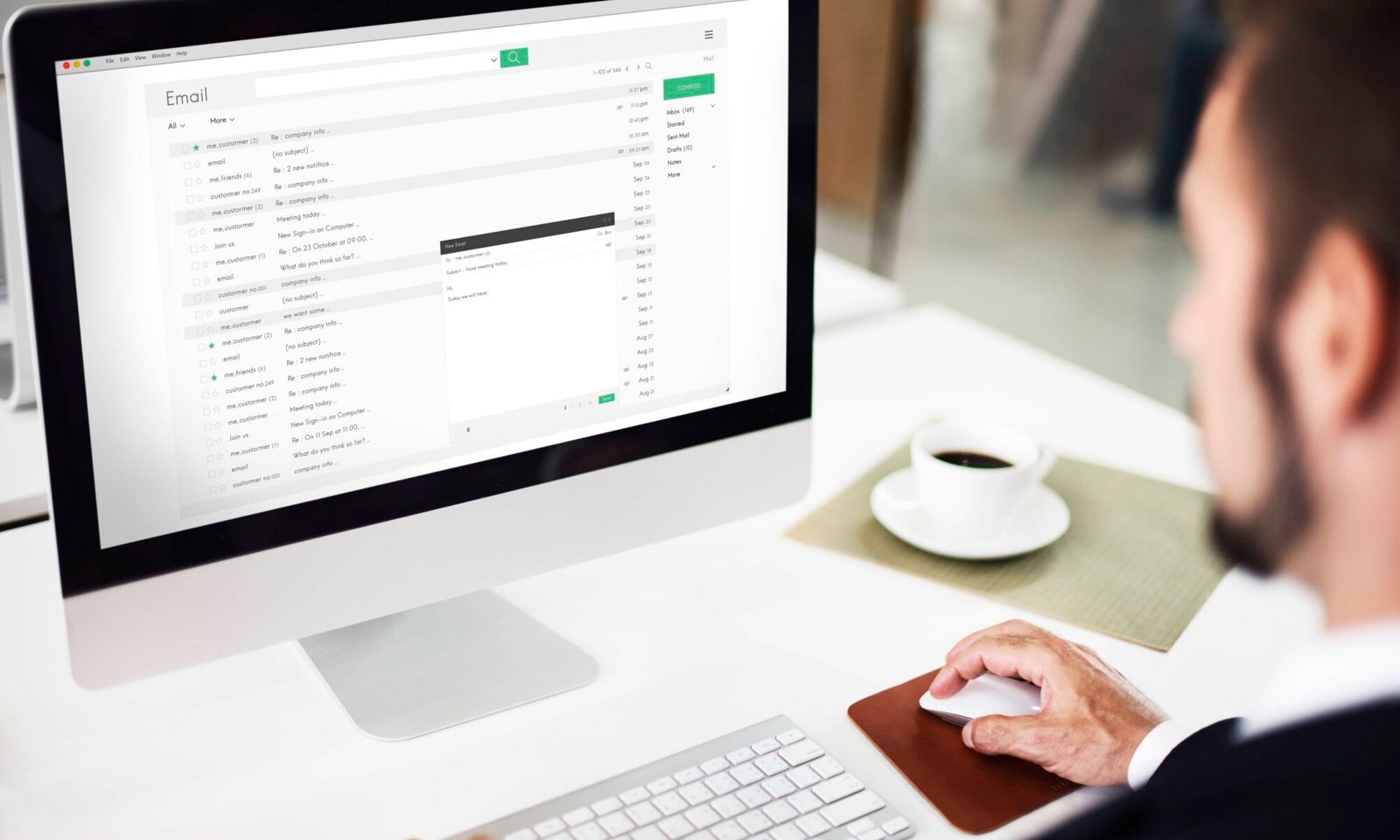
Apart from social media and websites, emails have become an important part of everyone’s lives. Not only do they execute all kinds of professional conversations, but they are also a source of staying abreast about everything else that is happening in the world. From product launches to sharing stories and even finding information about that really cool sale, emails can do it all! However, with the overload of information that most inboxes find themselves in, it is easy for some emails to get sidelined. Whether you are trying to find a job, do some lead generation or reach an audience, your email’s open rate entirely depends on your email subject line. An effective subject line is a key to piquing your reader’s interest and here are some tips on how to do it right:

1. Keep it Crisp and Urgent

A good subject line can be read in its entirety in the inbox itself. It has to be short, devoid of any filler words (“hello”, “good morning”, etc), and to the point. A desktop inbox reveals around 60 characters and a mobile inbox shows around 30, so saying what you want to in about 6-8 words should be the goal. Along with that, try to use words that convey urgency, especially if your email is promotional. For instance, saying “event xoxo ends in 3 days” is better than saying “event xoxo happening now”. The same can work even when you are looking to send cold emails or trying to catch the eye of a potential employer. Reread the subject line to pick up on those words that you can easily do without.

2. Make sure it is Relevant

A newsletter email thrives on relevance and so should its subject line. Depending on your brand’s domain and target audience, it is important to ensure that the subject of your email is something that’s happening around the same time. If a celebrity’s makeup look goes viral, an email sent out a month later about the products they used may not be very useful. Even if you do put it in an email sent a month later, the celebrity should not be a part of your email’s subject line. A subject line that incorporates the talk of the town is sure to generate a higher open rate.

3. Add a Touch of Personalisation

This can really help, especially if you have a smaller audience to reach out to. The best example is cold emailing. Apart from making your reader feel like the subject is of interest to them, showing them that the email is about them / for them also works wonders. For instance, instead of saying “I can help you with content strategy”, saying “Camilla, want to discuss content strategy?” can make all the difference. Another example could be the newsletter for a travel company that says, “Aisha, here are 5 European autumn destinations for you” instead of “Top 5 autumn destinations in Europe” will have a higher open rate.

4. Don’t make it Spammy

An honest email will get more loyal subscribers than a dishonest one. Click baits are a big no, regardless of how desperate you are. Starting a sentence in the subject line and ending it in the body will only force the reader to open the email. While this still leads to positive results for you, there is a high chance that your reader will be annoyed, especially if the email doesn’t live up to its expectations. Try to make your subject line efficient so it effectively and honestly summarises your email while also not sounding too verbose or spammy.

5. Keep Filtering your Email Subject Line

If you have ever skimmed through your inbox, you will know how fast you really do it. So keep in mind that you are writing it for an average reader who scans their mailbox within seconds. This means your subject line has to stand out. The best way to do it is not by using all CAPS, but by picking the right words. For example, instead of saying “What’s happening in the stock market?”, saying “Why is ITC up 40% today?” will grab more attention. While your email can still talk about the entire stock market, it promises the reader this one specific stock that they might be curious about too. Rereading your subject line until your brain is mush can really help you filter the words and refine their language in order to make it more attention-grabbing.

6. Ask your Email readers to do something

You want your readers to open your email. So start your subject line that points in the same direction. Instead of asking them directly to “click on the email”; focus on other action words such as “Hike through the Himalayas”, in place of something like, “A Himalayan adventure”. This creates a sense of excitement and encourages the reader to open the email.

7. Try to add Humour

A good joke is always the best way to connect with your audience. It creates a sense of casualness and friendship instead of just conveying to your reader that you mean business. A light-hearted subject line that is relevant to the current news and events can really enthral your reader.

The best subject lines only come with time and experience. The more you understand your audience and your goals, the easier it gets to communicate. Trying to build your presence is crucial to growth, but the real open rate depends on the connection that you build with your readers. A subject line that sounds rushed, spammy, fake, too pushy, and too promotional will obviously fail to connect with your reader. Whereas, a subject line that sounds confident, funny, concise, and light-hearted will feel like an email from a friend. So the next time you sit down to send out an email, spend just as much time on its subject line as you would on its body.

Why is Guest Posting important for SEO

Guest Posting

SEO has come a long way in helping individuals and organisations build their online presence and reach their audience through various means. As an inbound marketer, there will always be a newer facet to explore in order to scale those page rankings on the search engine result pages (SERPs). Among others, some of Google’s main parameters for assessing page rankings are links, sitemaps, and keywords. One of the more recently popularised ways to hit your SEO goals is guest posting. It helps expand your and the contributor’s reach to a broader audience. Here are some reasons you should deep dive into the world of guest posting, either as a blogger or a brand looking to be more relevant in their field:

What is Guest Posting?

Guest posting or guest blogging is the act of contributing blogs, by an individual to another individual’s/ company’s website. The writer does so in order to boost the PR and marketing goals of the organisation and its own brand as well. While it helps the target organisation meet its marketing goals and reach its audience, it also helps the contributor get more exposure and audience for their content. This is achieved through a backlink to their website on the collaborating organisation’s website.

This is how it works:

Person X is the guest blogger who offers to write a guest post for person Y’s website’s blog. While person Y gets a keyword-rich, high-quality, value-rich, and authentic blog for a particular topic, person X gets a backlink to their account on person Y’s page. This way, person X will have more authority among a certain audience because they have written for person Y, who is pretty well-known, and person Y will have more relevance among their audience because person X has published on their blog.

How can guest posting help you with SEO?

Guest posting is a magical tool in the world of SEO and if used right i.e. with plenty of patience and research to back you, it can reap immense benefits. The end goal of an inbound marketer should be to provide high-value, honest content to your client’s audience. While guest posting without looking into the guest blogger can lead to spammy, insufficient content that can hurt your SEO, a diligently researched, reliable one can boost it exponentially. If done right, here is how guest posting can benefit your SEO goals:

1. Pumps up that organic traffic

The best kind of audience on your website is organic. However, it’s also the more difficult one to get. Organic traffic is made up of visitors who stumbled upon your website for a particular keyword. For this to happen, your website needs to nail the SERPs ranking, have a rich density of essential keywords, and a whole ton of good backlinks. A guest post could bring all of it to your website. For example, if you ask a renowned chef to talk about the importance of tadkas in Indian food on your restaurant’s website, it will hold more value than if it was written by a content writer in Goa. Moreover, the article’s backlinks will further drive up traffic to your website.

2. Traffic that converts

Guest posting increases your website’s relevance to the community and your audience. The chances that a visitor will buy your product are higher when they come across a celebrity guest post on your page. Guest blogs have shown not only increased organic traffic but also a higher conversion rate with regard to website visits. For the individual contributing their content to another website, will further expand your target market. So not only will the collaborating organisation have higher traffic, but so will you, as the contributor.

3. It will increase your audience

SEO isn’t limited to just your website. A well-made website can really boost those numbers on your other social media channels as well. This means, your followers on your Facebook, Instagram, Twitter, and other pages will also eventually go up. What’s more? A reliable, well-written guest post can further encourage the visitor to even become a part of your email list. This could in turn lead to a higher click-through rate and subsequently higher conversion rates. However, an email list with more subscribers doesn’t always translate to a higher conversion rate. You must ensure that you keep pushing out high-quality content that adds value to your target audience’s life.

4. The best way to establish authority

Guest posting can really help both the parties involved to establish authority. As a guest blogger, people will hold you in high esteem and find you relevant if you have posted to multiple websites. Your brand will have more authority if you have posted to websites that they already know and follow. A digital marketer will be taken more seriously if he/she has posted to popular websites associated with the field. Apart from that, if you are an organisation collaborating with a guest blogger,  their relevance and expertise in the field will help your website establish authority as well.

SEO can be a challenging concept to deal with, especially with its many branches and a multitude of possibilities. However, the best way to tackle and master SEO is by providing well-researched, informational, and valuable content, which, the best SEO agency in Goa can help. A blog backed by heavy research, a podcast with a celebrity from a particular field, or a guest post from someone relevant to your product’s domain are all examples of valuable and high-quality content. No matter how you choose to tackle SEO for your brand/client, providing visitors with value will always top the list. 

To know more about how Digitally Scrambled can help boost your SEO in Goa, Mumbai, and beyond, get in touch with us today.


Social Media Content Ideas To Attract Likes, Engagement And Reach

Content Ideas

Today, the world can be found at a tap of your fingers – baking, dancing, marketing all kinds of products on social media. The community is teeming with creative content ideas that make the best out of the available resources to reach their target audience. It is easy to be dazzled by the bombardment of content and to feel intimidated by it. However, with a handful of things, planning and dedication, you should be able to attract likes, engagement and reach on social media without much ado. It doesn’t need to be fancy. Here are some social media content ideas to help you embark on your social media journey:

  • Do a giveaway – No one ever said no to ‘free’. Or even discounts for that matter. Hosting a planned giveaway once in a while, asking people to share your page and tag their friends can really boost your reach. The better your offer is, the more conditions you can introduce for winning the giveaway. 
  • Throw in some informative posts – People love some good hacks, tips or even a good chunk of some (healthy) gossip. Adding relevant content to your social media page can help boost engagement, likes and consequently reach. If people think that your post is worth saving, sharing or sharing their two cents over, it will organically find its way to more people. The best way to do this is to bring in expert opinions such as blogs, tweets, pins of relevant and popular people in your niche. You need to show people that you know what you’re doing and that you’re here to build a community.
  • Create a how-to tutorial – A wise person once said, “if you can do something, make a tutorial out of it”. Research shows that the reach for a lot of pages blew up after they posted a how-to video. This can especially be helpful for art and craft pages, music pages, cafes, boutique stores etc. You could have a how-to of one of your creations such as a painting, a type of coffee or putting together a particular outfit. Again, this is something that people can save, share and even comment their feedback on.
  • Repurposing content – Ideally, there needs to be uniformity across all your social media outlets i.e. your blogs, Facebook/Instagram pages, YouTube channels, Pinterest feed and so on. You can easily repurpose the content from one of the sites to be posted on the other. A blog can be broken down into bullet points, a reel, infographics and so on. The same can go everywhere else with slight modifications. Your content can be great but isn’t reaching enough people because it’s in the wrong place. Don’t let that happen.
  • Mark the dates – Celebrate all the important dates relevant to your brand and your niche. It could range from some important national holiday to some trivial celebration like National French Fry Day! No matter how small the target group is, it will still help increase engagement in its own way. However, don’t go wishing everyone about everything. Relevance is still crucial, both in your content and your hashtags.
  • Jump on the meme train – This is a no-brainer. From Wordle to that one dialogue from an obscure movie that got famous, everything can help garner attention to your feed. Make sure it’s something that’s doing the rounds on any one of the social media platforms. If it’s not a currently trending meme, you can always pick one that used to be or just invent one of your own. When it comes to social media, there is always a new lesson to be learnt. Don’t let hesitation get the better of you, go all in!
  • Put up a list of your favourites – No one likes a brand that’s all about itself. Putting up recommendations of your favourites in the same field or in a field that complements yours can help build trust. For instance, if you’re a restaurant, you can recommend a few that don’t serve the same cuisine like you. You can go a step ahead and put your favourite food-related reading lists, movies or podcasts as well. Make it a constant thing, like a weekly post or an annual Christmas or summer recommendation to make them want to come back.
  • Leave something for them to guess – A text-based post that asks the audience an exciting question. For instance, if they like your outfits, make them guess what your favourite material is. If they’re looking forward to you branching out, ask them where they want you to set up shop. The ideas are endless and they can blow up your comment section within minutes!
  • A review post – As consumers, everyone relies on reviews to guide them in the right direction. No one wants to end up spending their precious time and money complaining about something that went wrong. So put together a creative little post for the passers-by to see. Make sure it’s honest and not too braggy.
  • Give them a sneak peek of your timeline – Show your audience how much you’ve grown over time and how their support is responsible for it. Make a cute little timeline highlighting your achievements, milestones, and growth. Nothing pulls at the heartstrings the way a warm, shared moment of appreciation and gratitude does.
  • Invest some of your time in reels – Even though they’re not the be-all end for generating engagement, it does work the best. Put aside a few hours every week to create 3-5 reels. You needn’t post them every day, but posting them once in a while does give your reach that extra push. Video reels are fun to watch and saves viewers the efforts of swiping or reading. Make sure your reels are relevant and informative to ensure that they attract likes and views.

In the end, it all boils down to adding emotion to your content, encouraging your viewers to participate and staying consistent. Rome wasn’t built in a day and neither will your social media grow over a few posts. Plan ahead, be honest and your brand will rise to be indestructible.

A Review Of The Best Blogging Platforms

Blogging Platforms

Blogging is to a business what bricklaying is to a building. It is time-consuming and demands patience but is so worth the effort! It is an essential business tool that can take your brand to new heights. However, choosing the best blogging platform can be a cumbersome task. Each platform comes with its own set of advantages and drawbacks. To narrow it down, some of the factors that can help you choose are your budget, skill level, monetisation opportunities, an uncomplicated user interface, and search engine friendliness. Here’s a review of some of the best blogging platforms to help make your choice easier.

  • WordPress – WordPress is statistically one of the most widely used blogging platforms in the world. It is an open-source software which makes its customisation easy. Not only can you pick or create your own themes, but also add essential plugins to give your blog that extra push. The WordPress platform is free and you can pay for any add-ons that may seem essential. Experts also recommend hosting your WordPress domain from Hostinger to give your blog page an edge. Hostinger is paid but can be a lot cheaper than other website builders. It can sustain a smooth website building experience. There are some downsides to hosting on WordPress for free. You will have to deal with ads, manage your own backup and security, and figure out how to build your own website from scratch.
  • WordPress.org or WordPress.com? – The original wordpress.org lets you create a self-hosted site. Its free version doesn’t include ads and is SEO-friendly. On the other hand, wordpress.com is a website where you can host your blog and pay for other features. That said, the free version comes with ads. Using wordpress.com can be much easier. However, it comes with many limitations. You cannot customise your theme, install plugins or put up ads to monetize your blog. Moreover, you cannot insert e-commerce getaways or membership websites, and your blog will always be at risk of being deleted by WordPress. For safer, independent hosting, it is recommended to build your own website with wordpress.org.
  • Wix – Wix is a web hosting software that allows small businesses to host their own websites. It has an additional Wix Blog App that allows you to incorporate a blog page into it as well. It has a free version and a paid version, and the latter allows you to build a full-fledged website with no coding skills. Setting up a website is quick and easy. On the other hand, a free Wix website comes with ads and limited third-party apps. Moreover, you cannot change your theme once you’ve installed it and Wix offers limited e-commerce features even in paid plans.
  • Blogger – Blogger was launched in 1999 and is one of the oldest blogging platforms on the internet. It is user-friendly and requires no coding skills to use. You can create your blog through your pre-existing Google account and it is completely free. However, Blogger comes with limited features. You cannot install plugins, have to depend on basic blogging tools and design options are limited. Moreover, it is regulated by Google that can take your work down without your permission. Blogs come with a free Blogger subdomain. A custom domain needs to be bought from a domain registrar if you want to go independent.
  • Squarespace – Squarespace is a website building software with an easy-to-use interface that caters to the needs of small businesses. You can have your own website and blog to create an online presence. Introduced in 2003, the software offers some gorgeous themes and separate domain names with HTTPS:// and e-commerce. It has various paid subscriptions, doesn’t have a free version and its features are limited to the platform.
  • Medium – Medium is like the Instagram of blogs. It’s an easy-to-use blogging platform where you can start posting once you’ve created your account. It’s free, but its domain name cannot be changed. Launched in 2012, Medium provides you with an audience and a pre-built platform. You don’t need to build a website or pay for your domain name. However, its design, audience and ads are all regulated by Medium and you don’t have a say in it. Moreover, you would lose your audience if you lost your page.

To conclude, it’s crucial to figure out your needs, goals and budget before zeroing down on a blogging platform. The ones mentioned above are all great and widely used by individuals around the world. It would be advisable to perhaps utilise more than one of these. For instance, you can alternatingly blog on both Medium, and say, WordPress or Squarespace. To find the best blogging platform, planning is key.


6 signs that your SEO Agency is doing a bad job

SEO agency

There’s no dearth of digital marketing agencies in Goa and Mumbai claiming to offer the best SEO services. But not many people know that no SEO is better than bad SEO. An SEO agency that doesn’t know what it is doing can do serious and lasting damage to your website’s presence on search engines. Not everyone is an expert in the technicalities of SEO so it is easy to get fooled into thinking that what your SEO agency is doing is working for you. Digitally Scrambled reveals a few red flags that you need to watch out for:

1) Sending a Proposal that’s Not Tailored to Your Business

A good SEO Agency will always do its homework and tell you where you stand, what you’re doing right and wrong, and how it can help you improve your ranks on Google. They will also provide you with case studies and samples of how they helped other companies with their SEO in the past. An untailored proposal before the start of the project speaks volumes about the effort it will take once the project begins.

2) Promises of Unrealistic, Permanent, or Long-term Ranks

If your SEO agency in Goa promises that they can obtain the number one position for certain keywords permanently, that right there is a red flag! Your website ranks for various keywords and ranks constantly shift from the sheer volume of changes that websites and Google makes every second. The moment your competitors update their pages or make improvements to their websites, search engines like Google will update their result pages too.

3) Too Much Metadata

Metadata pertains to a page’s meta description and the meta keywords. Though Metadata was a huge part of SEO in the past, search engines have become more sophisticated and don’t rely on it too heavily for ranking anymore. That’s not to say that Metadata is useless it is a basic hygiene factor that every site should have. Meta descriptions do show up in SERPs (Search Engine Results Pages) so people can get an idea about what’s on a page before clicking the link. But, they won’t play a huge part in helping you rank above your competition.

4) Link Building being done the Old-fashioned Way

The best way to get links is by earning them, not buying into link schemes, however many SEO agencies in India practice cheap, dirty tactics to temporarily boost ranks and present impressive SEO reports. Making too many low-quality backlinks too fast is the quickest way to get penalized by Google. Bad SEO agencies blow up on one or two easy-to-rank keywords with a large amount of web spamming, instead of focusing on a larger number of achievable, profitable keywords, since clients don’t understand how SEO works. Google constantly looks out for such violators and if caught, the search engine may remove you from their index and may even your will lose your ad rank altogether, with no hope of ever recovering.

5) Promising a Set Number of Backlinks Every Month

A good SEO agency will never promise you a set number of backlinks. If they do, they probably use automated link-building software which is a bad technique. Good backlinks are hard to get and are very valuable as they are relevant to your business, drive traffic to your site, and significantly boost your ranks. Getting these takes a lot of work and no agency can guarantee an exact number without using dicey or black-hat techniques.

6) They are not High on Maintenance

Optimizing a website isn’t a one-time task, it’s a continuous process. One day you may be at the top and the next day you would have to fight with your competitors to get it back. Maintaining your SEO efforts consistently is of crucial importance or else your rankings will suffer. If your agency isn’t high on maintenance, you will find your ranks dropping, even with regular reports coming in every month.

These are just a few tips to help you find the best SEO agency to help you achieve your goals without getting you in trouble and wasting your marketing spend. Meanwhile, you can also read about Social Media Content Ideas. Make sure you know the agency you are considering and understand the plan they have to help you rank your business online.

SEO and Social Media Marketing Tips for Non-Profit Organizations

SEO and Social Media

For most non-profit organisations, budget is always a bone of contention. Their shoestring marketing budgets don’t really help in getting the word out there. Fortunately, in the digital age, there are plenty of things that NGO management or even volunteers can learn to do on their own that would help the organization gain exposure through the internet.

SEO and Social Media Marketing can seem like a herculean task but with a little research and planning you can find effective ways to do at least a little of it. We have some easy tips to give you the initial boost.

  1. Plan your goals – This is the first step to your online presence. Who do you want to target? What is your demography? Do you want to increase your reach? Do you need more people stepping forward and volunteering or are you looking for donations? Whatever your goals are, they must be specific as your communication should only be delivering one message at any given point. Give yourself a specific timeline, a fixed number of people you plan on reaching, and how much ground you plan on covering, and keep it realistic.
  2. Keywords and SEO – With Google tools, you can look up the popular keywords that relate to your cause and activities, and use these target keywords on your website, blog posts, and other online platforms depending on the number of searches for these keywords. Check for keywords that summarize your non-profit organization’s goals. Make the keywords relevant to the user who might be looking for that specific cause for example – a charity in a certain locality, a charity for a certain cause, etc.
  3. Quality content – Content is such an integral part of any online presence. Plan your content systematically. It should cover questions as to what your non-profit organisation stands for. Keep it simple, short, and interesting. Create an awareness of how your organisation contributes to the community and the work you do. Keep your readers engaged by providing material the readers will find relatable. Ensure that your keywords are in order so that your website or blog makes it to the top ten results in Google searches. Keep your audience in mind while planning and writing your content. Talk about past events, events that you plan on doing, accomplishments, recaps, and how people benefitted from the work you do. Publish regularly so that Google recognizes you. Consider doing videos for YouTube. Being the second largest search engine in the world YouTube will help raise your ranking. Add a good number of visuals to make the blogs more appealing.
  4. Make your site user-friendly – Keep your site simple and easy to navigate through to prevent people visiting your site from getting frustrated. Google ranks sites that users don’t bounce off. Keep your site light to enable quick load time and page speed. Considering that a lot of people now choose to browse from their phones, your site is mobile-friendly and enables people to quickly make a call, email, make a donation, and more.
  5. Make use of local SEOLocal SEO helps those around you to find you easily, and for an NGO that does local SEO and social media correctly, this can prove to have innumerable benefits. Add local keywords to your content – such as pairing your NGO name with your locality, making use of Google My Business, and being a part of local online communities.
  6. Keep yourself updated – Trends keep changing frequently and SEO and Social Media are an ever ever-evolving processes so keep yourself well informed. To help you to stay up to date follow some of the industry blogs and well-known NGOs so you’re always in the loop about what’s happening and can take advantage of relevant trends.
  7. Strategise your social media posts and blogs – Running an NGO takes a lot of time and naturally, the work you do comes before posting on social media and updating your website. At the same time, it’s important that your online presence isn’t dead. To combat this, plan your posts, emailers, and content ahead of time. When it comes to social media, there various social media tools, you can not only plan ahead but you can schedule your posts to be up on a particular day at a specific time.

We hope you found this post informative! You may also like reading about how hospitality brands can up their marketing sensitively in the Covid Era. If you do plan on outsourcing your SEO, take a look at our post on red flags to look out for when choosing your SEO Agency. If you’ve got any questions, reach out to us on Facebook, Twitter, and Instagram.

9 Marketing Tips for Hospitality Brands In The Covid Era

Hospitality

It is a well known fact that the hospitality industry is among the worst impacted sector due to the Covid-19 pandemic. Even months after the pandemic hit, the industry still continues to stand on shaky ground. Studies say that the travel industry is not expected to return to pre-pandemic levels until at least 2022 and that consumer sentiments towards traveling will see improvements and declines as new safety protocols and practices emerges, weariness sets in as various countries around the world go through second and third waves of the virus.

Still, the hospitality industry has proven to be one of the most resilient industries and we can be quite certain that travelers will be back – booking tickets, checking in to hotels, booking Airbnbs and indulging in new travel experiences. Until then, here’s how your hospitality brand can stay in touch with consumers and market itself through Covid-19

  1. Re-evaluate your marketing assets – This slump is a good time to re-assess your USPs. Go through your past content, photographs, videos, blogs, presentations, articles. This is a great time to collate your data. Set aside the content you can use during these times. Study each piece diligently and analyze what got you the most hits on your website or the most views on your social media in the past. Studying data and your past content will give you a clear picture of what your audience love the most about your brand (and probably miss during these times).
  2. Record videos in the present time – Videos are excellent SEO silage. Besides, you never know what can come in handy in the future. Make videos of premises, of the staff, the Covid protocols being followed at your premises, embed videos in your blogs, choose the best quotes from the videos and turn them into individual posts for Instagram.
  3. Get feedback from customers and employees– Now would be an excellent time to get in touch with customers from your past seasons and employees of your establishment and get them to talk about your brand. You can record their interviews and use them for Instagram content.
  4. Create content that provides assurance and care – Given the current situation is not the best, customers might be apprehensive about booking a stay at your hotel. Make videos and specific posts about the sanitization of your area, social distancing on the premises, and how you abide by safety protocols and how you’re going above and beyond to ensure safety.
  5. Enhance your social media and digital marketing presence. Taking into consideration that people are spending more time on their devices since a lot of them are working from home. Looking into ways that will improve and boost your online presence. It’s important to remember that your tone of voice and message play a large part in making you appear thoughtful, caring or insensitive. Try not to solicit bookings and visits outright as this suggests that the brand cares more about bookings than safety and may be downplaying the seriousness of the pandemic. Rather, focus on what you do best at your property and let your audience decide whether it is safe for them to visit you.
  6. Revamp your website. While we are on the topic of social media, why not consider giving your website a facelift or get a new one? Get your hotel ready for the new “normal” season by revamping your site – something that a lot of brands put off indefinitely and never get around to.
  7. Do a professional photo shoot and video shoot – With little to no people visiting your establishment at the moment, it’s a great time to do a photo shoot. Photographers and videographers have also had a slump in business. This could serve two purposes and enhance business for the both of you.
  8. Revise your rates. Taking into consideration that people may not have the spending money they did before the Covid-19 Pandemic, maybe consider going through your rates and finding a balance that would help prospective clients. Look for add-ons you can provide to make your offerings more competitive when business resumes.
  9. Digital Marketing. If there are budget cuts you might want to consider PPC (Pay Per Click) Services. For hospitality brands that are looking to maximize ROI, PPC is the most effective as it targets people who are active searchers for the product or service you offer – rather than broadcasting a message to a large amount of people in the hopes that someone will make a booking.    

Got questions on how to market your hospitality brand in Goa? Simply drop us a comment or email us and we’ll be happy to schedule a free consultation.

How to effectively use Instagram for your Local Brand

Use Instagram

You may be satisfied with the way your local business has been running all these years. You may have a loyal set of customers and you probably do enough business to stay afloat during these times. However, have you challenged yourself enough to get out there into the real world and really see where your business stands among its competitors?

We live in an age where the simplest of things like daily toiletries, stationary, and homeware are bought online at the click of a button, rather than from the store down the road. And if your business hasn’t gotten with the times yet, it is missing out on market share. Getting on to social media is the first step to venturing out into the virtual world. Facebook and Instagram are the most commonly used social media sites in Goa and these are platforms that, if done right, could get your business increased awareness, traction, branding, and even sales.

There are several ways a local brand can use Instagram effectively. As a growth-focused digital marketing agency in Goa, here are our tips on where to start:

1)  Start using all the key surfaces that Instagram provides:

Instagram has become far more than just the photo-sharing app it was a few years ago. From sharing Instagram stories that last 24 hours to Instagram Lives to engage with followers in real-time, and from Reels that allow you to post fun Tik-Tok style videos on your feed to an Instagram shop wherein you can shop for products without leaving the app, the platform is evolving to suit businesses more with time. The more Instagram surfaces you use, the better growth you will see.

2)  Engage with your followers!

Instagram is all about building a community online. Just like you interact with customers and clients at your store, your business needs to do the same online. This in turn helps you gain more followers who you can engage with, allowing you to build better brand recall. Posting photos and videos isn’t enough – you have to establish yourself in the IG community and speak to people who are starting to interact with the content you are producing. Answering queries that they have online will show that you are actively involved in your business prospects.

3)  Use Influencer Marketing

A great way to build up your fan base on Instagram is through Influencer Marketing. You can connect with people who have an established fan following and get exposed to their audience. Many years ago, businesses required huge budgets to get actors and other celebrities to endorse their products. But with people connecting and relating more with popular youth icons in various niches, influencer marketing allows businesses to connect with prospective local customers through them in a very cost-effective way.

4) Keeping your brand identity consistent.

Remember, your social media profiles, just like your website, are extensions of your brand. Though you can use Instagram to achieve different objectives, there should be consistency across all aspects when you advertise, especially in terms of aesthetics, tone of voice, and online persona. A mix of these can make a brand appear classy and high-end, quirky, elegant, youthful, eco-conscious….

5) Get familiar with hashtags.

Using hashtags is the most powerful way to tap into local communities, gain followers, and build your visibility on Instagram. To get the maximum benefit, remember to use a mix of hashtags that are relevant to your business, your locality or state, your industry, and appropriate trending topics. A post with one hashtag gets 12.6% more engagement than one that doesn’t have one – but at the same time, hashtag spam is real! So maintain a good balance, keep switching up your hashtags, and figure out what works for your business.

6) Too much similarity can be damaging.

Though the tone and personality behind your posts need to remain consistent across posts and channels, you should avoid blanket posting. Blanket posting is basically posting very similar messaging time after time, across social media networks. No one likes seeing posts for the same products shared in the same format over and over again. Even if yours is a brand that merely sells 1-2 products, find fresh ways to position it, unique ways to present it, and get creative with quotes, memes, testimonials, and more.

7) Showcase your product or service in use

Whether you sell groceries or furniture, hotel stays, or dining experiences, it is important to showcase people using and enjoying your products. Happy families at resorts, a testimonial from a family who dined at your restaurant, a picture of your furniture in your client’s living room, and your fresh groceries in a tantalizing dish make all the difference when it comes to giving your local brand an edge over bigger, better-known competitors.

8) Host an Instagram Contest.

Who doesn’t like winning something? Instagram contests are a great way to increase your fan following. Remember to plan your contest well in advance and collaborate with influencers or other brands to maximize the reach of your contest. A great hashtag, and clear rules that encourage sharing, commenting, and tagging paired with a great prize go a long way in making an Instagram contest successful. Ensure the prize is attractive – a free meal at a restaurant, an Amazon voucher, or perhaps a goodie basket of some of your brand offerings.

9) Follow Instagram trends

Whether you post something on a national holiday, or festival, to capitalize on a current affair, or to ride on a trend that’s going viral, staying on top of it all helps a brand get a lot more eyeballs. When done right, brands that hop on to trends have posts that are widely shared, resulting in them garnering praise for their creativity, getting a boost in visibility and it sometimes even raking in tremendous sales. Zomto, Durex, Amul, and Swiggy are a few brands that ace at posting excellent content based on trends very frequently.

10) Get ready to press ‘record’!

Instagram increasingly favours videos over static posts. Videos are given higher real-estate on the ‘Explore’ page of Instagram and get higher reach. Whether you’re showing the behind-the-scenes look at a cake being decorated at your bakery, a beautiful wedding set up done by your events company in Goa, or a quick showroom walkthrough, all you require is your phone and a bit of brainstorming to record fantastic 30-second videos. No professional expertise or equipment is required.

We hope this helped you learn how to use Instagram for your small business in Goa and Mumbai. If you’ve got any more questions, comment below, drop us an email, or give us a call!