

10 Things to Do to Optimise Your Google Local Listing

10 Things to do to optomise your Google Local Listing

In today’s hypercompetitive business environment, effective marketing is essential for driving business growth and ensuring long-term viability. Simply having a quality product or service is no longer sufficient; businesses must effectively convey their value proposition to their target audience. Marketing plays a crucial role in building brand awareness, engaging with customers, and setting your brand apart from competitors. It facilitates two-way communication, enabling businesses to gain a deeper understanding of customer needs and tailor their positioning accordingly.

With the rise of digital platforms, companies have numerous tools at their disposal to reach their target audience, such as social media, content marketing, and search engine optimization (SEO). Google Local Listings is particularly powerful for local businesses, as it enhances visibility in search results and attracts foot traffic and sales. Achieving a high ranking in Google Local Listings is crucial for businesses seeking increased visibility, particularly for local service searches. It also empowers small businesses to compete with larger corporations by targeting customers within a specific geographic area. A strong local listing position can help businesses establish trust and capture a larger share of their local market.

Claim Your Business Profile

The first step to optimize your Google Local Listing is to claim your Google My Business profile. Your business details may already be available, even without the claim, but you won’t have control over the information or reviews. Claiming your profile allows you to manage every aspect, including editing your address, phone number, and business description. Google provides a verification process to ensure that only business owners can claim their profiles, making it secure and credible.

Complete Every Section of Your Google My Business Account

To get the most out of your Google Local Listing, complete every section of your Google My Business account. Google favours complete profiles, and filling out all relevant information boosts your chances of ranking higher in local searches. This includes details such as your business category, operating hours, and services offered. Accurate and up-to-date information ensures customers can easily find and contact you.

Be Meticulous with Contact Information

Consistency is key when it comes to contact information on your Google Local Listing. Ensure that your name, address, and phone number (NAP) are identical across all online platforms. Any discrepancies can confuse Google’s algorithm, resulting in lower rankings. Additionally, make sure your business hours are correct, especially during holidays or special occasions, to avoid customer dissatisfaction.

Select Primary and Secondary Categories

Choosing the right categories for your business is crucial for showing up in relevant local searches. Google allows businesses to select a primary category and several secondary categories that describe their services. Your primary category should be the one that best represents your core offerings, while secondary categories can capture additional services you offer. 

Mark Off Applicable Attributes

Google My Business allows businesses to select specific attributes that can highlight particular features, such as wheelchair accessibility, outdoor seating, or Wi-Fi availability. These attributes are visible to users and can influence their decision-making. For example, marking your business as “kid-friendly” or “pet-friendly” can attract a broader range of customers. Additionally, some attributes cater to current trends, such as “curbside pickup” or “delivery options,” which became particularly important during the pandemic.

Write a Complete ‘From the Business’ Description

Your business description is one of the few areas where you have creative control over how your brand is portrayed. Use this space to provide a clear, engaging overview of your offerings, company values, and any unique selling points (USPs). While writing this description, keep it concise but informative. Avoid keyword stuffing; instead, write naturally with a focus on what sets your business apart.

Publish Google Posts Weekly

Google My Business allows you to publish posts that showcase updates, offers, or announcements related to your business. Posting regularly (ideally once a week) keeps your listing fresh and engaging. These posts appear in your profile and sometimes in search results, giving you an extra touchpoint to communicate with potential customers.

Upload New Photos Weekly

Regularly uploading new, high-quality photos of your business is a simple yet effective way to enhance your Google Local Listing. Photos help potential customers visualize your offerings, from products and services to the overall ambiance of your business. Google even encourages businesses with active photo updates by giving them a slight SEO boost.

Answer Questions

Google My Business includes a Q&A section where potential customers can ask questions and business owners can respond. Answering questions promptly helps build trust and provides valuable information to potential customers. In some cases, users may answer questions themselves, but it’s important for business owners to monitor and provide accurate responses.

Set Up Messaging

Google My Business offers a messaging feature that allows potential customers to directly message your business through the listing. Setting up this feature can give your business a more immediate communication channel, allowing you to respond to customer inquiries quickly. This can be particularly useful for appointment-based businesses, where quick responses may lead to bookings.

Ensuring that your Google Local Listing is optimized is a crucial step for businesses aiming to boost their online presence and attract local clientele. A well-optimized listing not only draws in more customers but also aids in building trust, solidifying your brand, and fostering long-term success. Investing the effort to enhance your Google Local Listing will set your business up for thriving in a fiercely competitive local market.
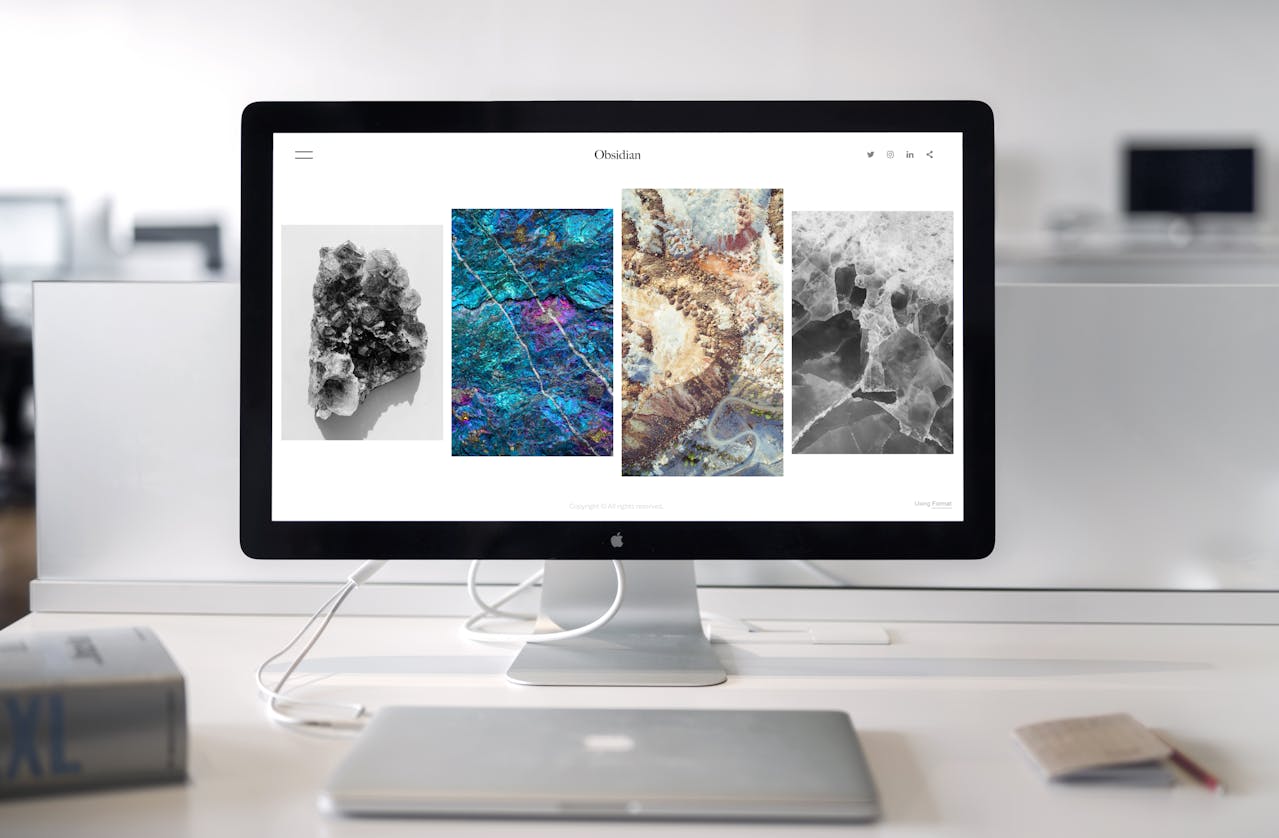

Does a Static Website make sense for your Business?

static website

Establishing an online presence is crucial for any business—-SMBs and large-scale businesses alike. This is where a website comes into play. A website acts as a virtual storefront, permitting businesses to display their range of products and services, connect with potential customers, and build their presence and credibility. The decision lies between opting for a static or dynamic website, which is a web page constructed at runtime. Understanding how a static website works and the benefits it brings is imperative before making a decision.

What is a Static Website?

Simply put, a static website delivers content to users that was pre-generated. Each page is coded in HTML and presents the same information to every user every time they visit the website. Alternatively, dynamic websites use client-side or server scripting and adapt content based on user interactions and devices. Although dynamic websites have gained significant prominence, static sites remain the frontrunners owing to their simplicity, speed, better security, and cost-effectiveness.

The Advantages

One key advantage of static websites is their speed. Static websites load at a faster rate as the content is pre-generated, as opposed to dynamic websites that rely on server-side processing for content generation. Speed plays an important role in SEO, and as such, static websites with their quick loading times enhance the user experience, thereby improving search engine rankings.

Due to their simplicity, static websites have fewer vulnerability points. Dynamic websites, on the other hand, are more susceptible to cyberattacks as they rely on multiple plugins, databases, and server-side scripts. Businesses looking to establish a secure online presence that does not mandate constant monitoring and upgrading of security measures should consider static websites.  

Businesses that are also seeking a cost-effective option should go for a static website. They do not require complex coding knowledge for designing or updating. This means that businesses, such as startups and budget-conscious ones, can establish a high-quality online presence without a heavy financial investment. 

Lastly, static websites experience minimal downtime and, as such, are more reliable than their counterparts. They are also relatively easier to set up, and the pages load faster as well. Businesses can attempt to manage their static sites or hire professional developers for the initial setup with minimal ongoing costs.

Successfully Setting Up A Static Website

Creating a static website is a simple process that requires a few easy steps to get started. The first step is to choose a relevant business domain that includes the business name or its services. Make certain that the domain name is easy to spell and remember for your consumers.  

The next step is to plan your sitemap. Commence by outlining the website structure with the required website content and the images that will go live with it. Map out the key pages required to assemble the static website, such as Home, About Company, Products and Services, Blog, and Contact Us. A concise and better-organised sitemap ensures a smooth user experience. Make sure the website content is SEO-friendly for better search engine rankings. Additionally, use high-quality images and other relevant media to keep the users engaged.

Selecting a website builder that meets your needs and possesses the required skill level to work with is next. The website builder is then tasked with designing the website’s layout and final look. Test the links, any forms if present, and the interactive aspects of the website before going live. There are several static web platforms that offer more customisation as per client requirements. Keep in mind that the final website should load and look great on desktop as well as mobile devices.

These static sites require minimal maintenance in comparison to dynamic websites. However, make sure to periodically check the site for any outdated information or broken links.

All in all, a static website is a favourable choice for many businesses. While dynamic websites may be more progressive with their own set of advantages, the cost-efficiency, speed, simplicity, and robustness that a static site offers make it the ideal choice for businesses looking to build a quick and effective online presence. To know more about Digitally Scrambled’s web design and development services in Goa, or to request our portfolio, get in touch.

Difference between Static and Dynamic Websites

Static vs Dynamic Websites

In today’s digital landscape, a website is a fundamental asset for any business, acting as a virtual storefront that operates 24/7. It serves as the primary point of contact for potential customers, offering a platform to display products, services, and company values. A well-designed website enhances credibility, increases brand visibility, and drives customer engagement, making it an essential tool for business growth and success. With the growing reliance on digital interactions, a robust online presence ensures that businesses can reach a wider audience, provide crucial information, and facilitate seamless transactions, thereby driving sustained growth and profitability.

Websites can be broadly classified into static and dynamic, each serving distinct purposes and offering unique benefits. Static websites consist of fixed content, with each page coded in HTML and displaying the same information to every visitor. Conversely, dynamic websites generate content in real-time based on user interactions, providing a more personalized and interactive experience. Understanding the differences between these types is crucial for businesses aiming to choose the right web solution that aligns with their operational needs and customer engagement strategies.

Static Websites


What They Are

Static websites are composed of pre-written HTML files that are delivered to the user exactly as stored. Each page is a separate HTML file, and any changes require manual updates to the individual pages. These sites are typically straightforward, with a fixed structure and content that does not change unless edited by a developer. It is a good idea to use static websites for small businesses, portfolios, or informational sites where content updates are infrequent. They are simpler to design and implement, making them a cost-effective solution for businesses that need a reliable online presence without the need for constant updates or complex features. This straightforward nature makes them suitable for businesses that prioritize speed, security, and simplicity.

Benefits of Static Websites

Static websites are known for their simplicity and efficiency. They are quick to develop, cost-effective, and require fewer server resources, resulting in faster load times. Their straightforward nature also makes them more secure, as they lack server-side processing vulnerabilities. Additionally, static sites are easier to host, often requiring only basic web hosting services. This makes them an excellent choice for small businesses and individuals looking to establish an online presence without incurring significant development and maintenance costs. Furthermore, their low maintenance requirements mean less frequent updates and reduced long-term costs.

Dynamic Websites


What They Are

Dynamic websites, on the other hand, generate content dynamically in response to user inputs or other variables. These sites rely on server-side scripting languages such as PHP, ASP, or Node.js, and often use databases to store and retrieve data. Dynamic websites can provide tailored content to users, such as personalized recommendations, user accounts, and real-time updates, making them suitable for e-commerce, social networks, and content management systems. This ability to serve customized content enhances user engagement and allows businesses to provide a more interactive and responsive online experience, which is critical in today’s competitive digital landscape. Dynamic websites also enable businesses to incorporate advanced features such as forums, blogs, and user-generated content, further enriching the user experience.

Benefits of Dynamic Websites

The primary advantage of dynamic websites is their interactivity and personalization. They can offer a highly engaging user experience by delivering content that adapts to individual preferences and actions. Dynamic sites also enable easy content management through CMS platforms, allowing non-technical users to update content without developer assistance. This flexibility supports businesses in maintaining up-to-date, relevant, and engaging websites, which is essential for staying competitive and meeting the evolving needs of customers in a digital-first world. Additionally, dynamic websites can scale with business growth, accommodating increased traffic and expanding functionality.

Differences Between Static and Dynamic Websites: Pros and Cons

Static and dynamic websites differ significantly in their structure, functionality, and use cases. Static websites, with their fixed content, are faster and more secure, as they do not require database interactions or server-side scripting. They are easier to develop and host, making them cost-effective for small-scale projects with limited interactivity. However, the manual updating process can be cumbersome for sites that need frequent content changes. Static sites are best suited for businesses that require a stable, low-maintenance online presence, such as personal blogs, small business pages, and brochure websites.

Dynamic websites, conversely, excel in providing a customized user experience through interactive features and real-time content generation. They are ideal for businesses that require personalized user interactions, frequent content updates, and advanced functionality such as e-commerce platforms and social networking sites. However, dynamic websites may require more resources for development, maintenance, and hosting, making them more suitable for businesses with larger-scale operations and a need for extensive user engagement and interactivity.

To know more about Digitally Scrambled and our web design and development services in Goa, contact us today. You can also simply DM us on Instagram, Facebook, or X to request our website portfolio.